Advancements in Melanoma Diagnosis
Melanoma is a highly aggressive form of skin cancer that requires early detection for effective treatment. Over the years, significant advancements have been made in the field of melanoma diagnosis, improving accuracy and efficiency.
1. Dermoscopy
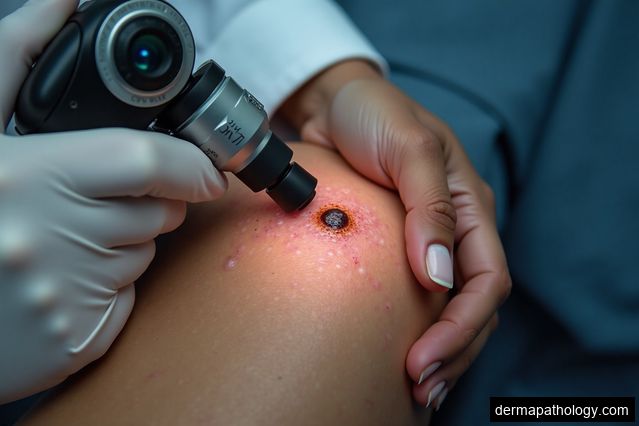
Dermoscopy, also known as dermatoscopy or epiluminescence microscopy, is a non-invasive technique that allows dermatologists to examine skin lesions in detail. It involves using a handheld device with a magnifying lens and a light source to visualize structures beneath the skin's surface. This technique has revolutionized melanoma diagnosis by enabling dermatologists to identify specific features indicative of malignancy.
Advancements in Melanoma Management
In addition to improved diagnostic techniques, advancements in melanoma management have greatly enhanced patient outcomes. The following are some notable developments in the field.
1. Targeted Therapies
Targeted therapies have emerged as a promising treatment option for patients with advanced melanoma. These therapies focus on specific molecular alterations present in melanoma cells, inhibiting their growth and spread. Examples include BRAF inhibitors and MEK inhibitors, which target mutations commonly found in melanoma.
The Future of Melanoma Diagnosis and Management
While significant progress has been made in melanoma diagnosis and management, ongoing research continues to drive advancements in the field. The future holds promise for even more accurate diagnostic tools and innovative treatment approaches.
1. Artificial Intelligence in Diagnosis
Artificial intelligence (AI) is increasingly being explored as a tool to assist dermatologists in diagnosing melanoma. AI algorithms can analyze vast amounts of data and images to identify patterns and features indicative of malignancy. This technology has the potential to further improve diagnostic accuracy and reduce human error.